|
EXPLORE BY:
Attraction: CULTURE | RECREATION | HISTORY | NATURE | SCENERY | ACCESSIBILITY
Region: GRAND ISLE COUNTY | CHITTENDEN COUNTY | MIDDLEBURY & VERGENNES
Mode of Travel: BOAT | BICYCLE | FOOT | CAR OR MOTORCYCLE
|

The Lake Champlain Byway 
welcome!
The Lake Champlain Byway is a Scenic Byway designated by the State of Vermont located in the northwest portion of the state. From north to south, the formal route is 134 miles (215 km) long and consists of U.S. Route 2 through the Champlain Islands, U.S. Route 7 through the city of Burlington and several surrounding towns, and then south to seven different communities in Addison County including Middlebury and Vergennes. A Byway is designated for its unique intrinsic qualities or resources. The Lake Champlain Byway is notable for its scenic, natural, recreational, historic and cultural resources.
This web site is a guide to the Lake Champlain Byway and the many scenic, historic, recreational and cultural experiences to be found along it. Explore this information with the tools on the left side of this page:
Scenery
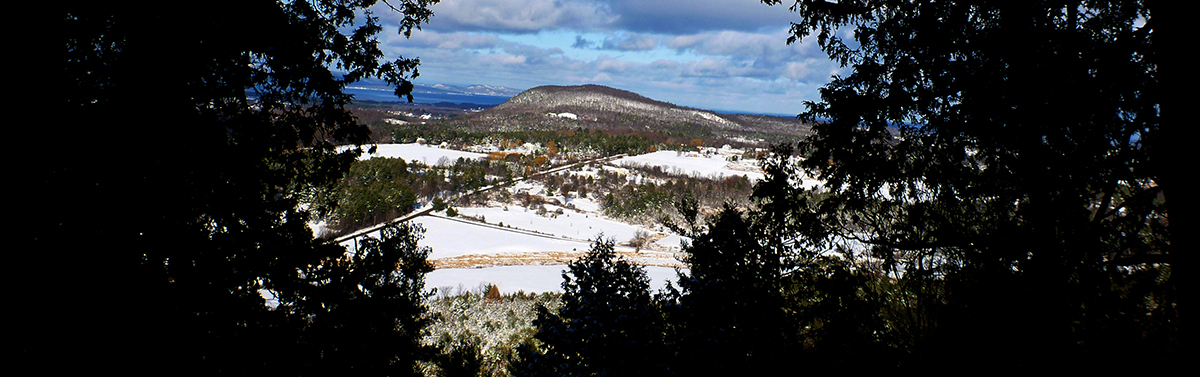
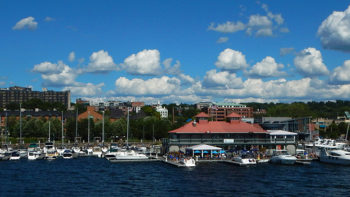
Throughout the Byway, the scenery is spectacular no matter where you are. Views of Lake Champlain, Vermont’s Green Mountains and New York’s Adirondack mountains are always around you (many times all three at once!). The Byway’s working landscape of farms and forests —whether bathed in spring and summer green, fall colors or winter’s white blanket— brings the traveler a sense of connection to the land.
Nature and Outdoor Recreation
The first and foremost characteristic of the Byway is its ready access to Lake Champlain, the rivers which flow into it and numerous locations to explore nature. There are several state parks, marinas, public boat launches, public beaches and other points of access, making it easy for travelers to get out on the water. Activities include power boating, sailing, canoeing, kayaking, swimming, fishing, scuba diving and windsurfing.
The region also has numerous parks and natural areas with hiking and biking trails and campsites. Bike touring along its country roads or designated recreation paths is also popular. Even the Byway’s most populous communities contain several pristine areas conserved in perpetuity to enable resident and visitors the chance to relax in nature.
Although quieter in the winter, the region offers several locations to enjoy cross-country skiing, snowshoeing, ice skating, ice fishing and newer sports like Nordic skating and kiteboarding.
History and Culture
Native American Abenaki were the region’s original inhabitants. In 1609, French explorer, Samuel de Champlain was the first European to visit the region. Settlement and agriculture expanded after the Revolutionary War followed by the establishment of numerous shipping and mill towns along the region’s waterways. Like the Adirondacks of New York, Lake Champlain became known for its nature-oriented tourism.
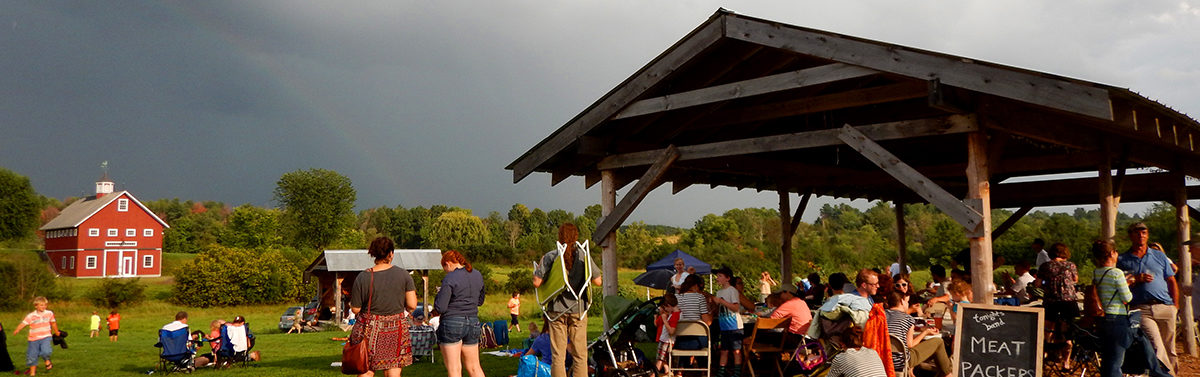
The area features several museums, both large and small, to teach us about the Abenaki, French settlers, rugged Yankees and others who made the Lake Champlain region their home. Vermont’s largest city, Burlington, hosts several cultural festivals while the Byway’s smaller communities offer the traveler unique experiences such as French-heritage days, farmers’ markets, fall harvest festivals, and community suppers and dances.
This website was funded in part by the Federal Highway Administration. The Byway works with the Administration’s National Scenic Byways Program which promotes the recognition and enjoyment of America’s memorable roads. The Byway works to support unique travel experiences and enhance local quality of life by preserving, protecting, interpreting, and promoting its intrinsic qualities. For more information about the National Scenic Byway Program, visit www.byways.org.
|